Follow Me On Social Media!
Healthy Pasta You Can Eat Every Day
There is something deeply comforting about a bowl of pasta. The smell of garlic warming in olive oil, the soft bubbling of a sauce coming together on the stove, the satisfying twirl of noodles around a fork — it is the kind of meal that makes you feel at home no matter where you are. But somewhere along the way, pasta got a bad reputation. People started treating it like a guilty pleasure, something to be eaten sparingly or replaced with sad alternatives. That could not be further from the truth.
Healthy pasta you can eat every day is not a myth or a compromise. It is simply a matter of knowing which ingredients to reach for, how to build a balanced plate, and which combinations make your body feel as good as your taste buds. Whether you are cooking on a budget, short on time, or just looking for new delicious recipes to rotate into your weekly routine, this guide has everything you need.
Ideas and Trends in Recipes
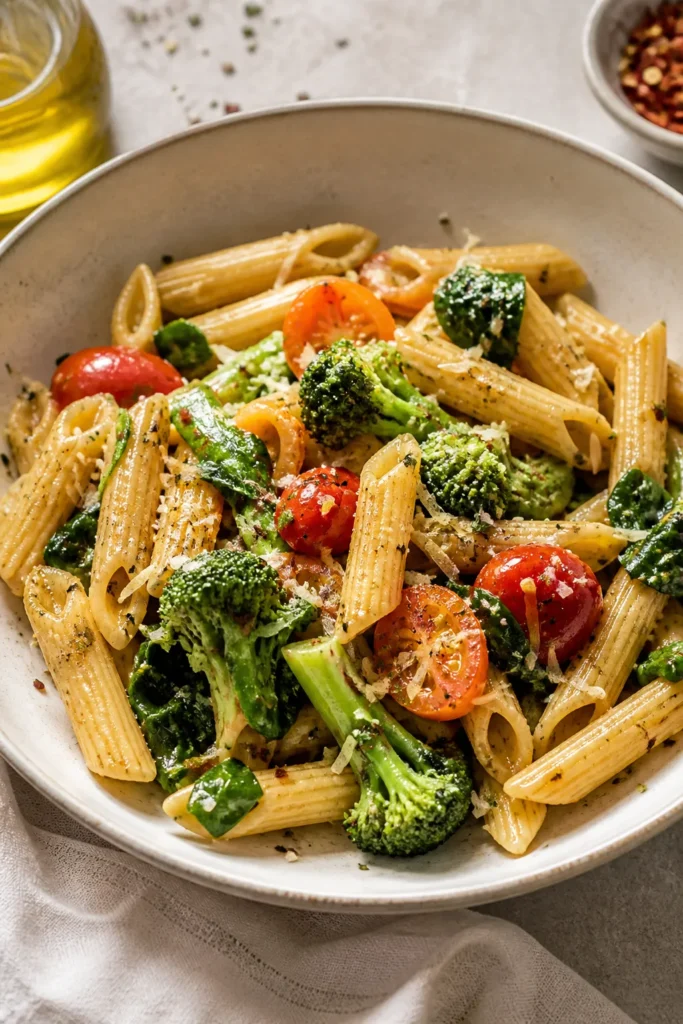
The world of pasta has changed a lot in recent years, and honestly, for the better. What used to be heavy, cream-soaked dishes sitting in the center of a plate has evolved into something lighter, more colorful, and far more nourishing. Food bloggers, home cooks, and nutritionists have all caught on to the same truth: pasta is a fantastic base for building genuinely healthy meals.
What Makes Pasta Healthy in the First Place?
Not all pasta is created equal, and that is worth knowing before you start cooking. Whole wheat pasta, for example, offers more fiber than traditional white pasta, which helps with digestion and keeps you fuller longer. Legume-based pastas made from chickpeas or lentils are packed with plant-based protein and are naturally gluten-friendly. Even regular semolina pasta, eaten in the right portions and paired with vegetables, lean proteins, and good fats, fits comfortably into a balanced diet.
The real magic is in what you put with the pasta. A handful of wilted spinach, a scoop of white beans, a drizzle of good olive oil, a sprinkle of toasted walnuts — these are the things that transform a simple bowl into something genuinely nourishing.
Current Trends Worth Trying
One of the biggest trends right now is cold pasta salads for meal prep. People are making large batches on Sundays, storing them in the fridge, and pulling out portions throughout the week. It is budget cooking at its smartest. Another trend is leaning into global flavors — think tahini-dressed noodles inspired by Middle Eastern cuisine, or pasta tossed with miso and sesame for a Japanese-Italian fusion that sounds strange and tastes extraordinary.
Vegetables are also taking center stage. Instead of pasta with a side of vegetables, more cooks are making vegetables the main event, with pasta playing a supporting role. It stretches the dish further, adds more nutrition, and honestly, it tends to look more beautiful in the bowl.
Step-by-Step Recipes
Here are six easy recipes you will want to save, share, and come back to again and again. Each one is built around real ingredients, honest flavors, and the kind of simplicity that makes weeknight cooking feel like a treat rather than a chore.
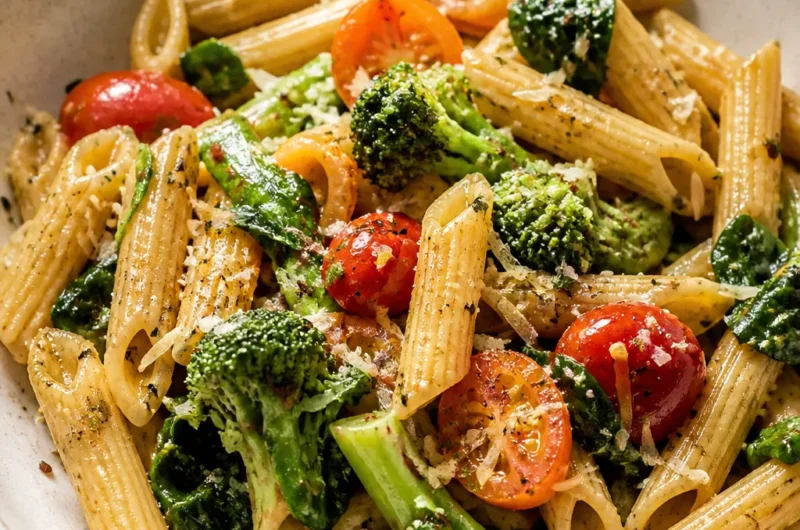
Recipe 1: Garlic and Olive Oil Pasta with Spinach and White Beans
This is the kind of pasta that comes together in twenty minutes and tastes like it took much longer. The white beans add creaminess and protein, the spinach wilts beautifully into the garlic-scented oil, and the whole thing is genuinely satisfying without being heavy. Save this recipe for those nights when your fridge looks almost empty but you still want something delicious.
Ingredients (serves 2):
Healthy Pasta You Can Eat Every Day
Servings
2
servingsPrep time
5
minutesCooking time
15
minutesCalories
420
kcalTotal time
20
minutesIngredients
200g whole wheat spaghetti
3 tbsp extra virgin olive oil
4 garlic cloves (thinly sliced)
1 can (400g) white beans (drained & rinsed)
3 large handfuls baby spinach
1 tsp chili flakes (optional)
1 tsp chili flakes (optional)
Salt & black pepper (to taste)
Juice of 1/2 lemon
2 tbsp grated Parmesan (optional)
Directions
- Boil salted water and cook spaghetti until al dente. Reserve 1/2 cup pasta water before draining.
- Heat olive oil in a pan, add garlic, and cook slowly until golden (3–4 min).
- Add white beans + a splash of pasta water. Let cook for 2 minutes.
- Add spinach gradually until wilted. Season with salt, pepper, and chili flakes.
- Add pasta to the pan, squeeze lemon juice, mix well, and top with Parmesan if desired. Serve immediately.
Notes
- Mash a few beans to create a creamy sauce without cream
Use fresh lemon juice for best flavor
Works great with gluten-free pasta too
Preparation:
Step 1: Bring a large pot of well-salted water to a boil. Cook the spaghetti according to package instructions until just al dente. Before draining, reserve about half a cup of the starchy pasta water — this is your secret weapon for bringing the sauce together.
Step 2: While the pasta cooks, warm the olive oil in a wide pan over medium heat. Add the sliced garlic and let it cook slowly, stirring often, until it turns golden and fragrant. This should take about three to four minutes. Do not rush it or let it burn.
Step 3: Add the white beans to the pan and stir them in with the garlic oil. Pour in a splash of the reserved pasta water and let the beans warm through for about two minutes.
Step 4: Add the spinach by the handful, letting each batch wilt before adding the next. Season with salt, pepper, and chili flakes. Drain the pasta and toss it directly into the pan. Add a squeeze of lemon juice and finish with Parmesan if you like. Serve immediately.
Extra tip: For a richer version, mash a few of the white beans against the side of the pan before adding the pasta. It creates a silky, starchy sauce without any cream.
Recipe 2: Roasted Tomato and Ricotta Pasta
If you have never roasted tomatoes for a pasta sauce, you are in for a revelation. The heat of the oven concentrates their sweetness, caramelizes their edges, and turns them into something deeply flavorful. Combined with creamy ricotta and fresh basil, this is one of those quick recipes that feels entirely luxurious. Perfect for any occasion, from a solo weeknight dinner to an easy weekend meal for friends.
Ingredients (serves 3):
- 300g penne or rigatoni
- 400g cherry tomatoes, halved
- 3 tablespoons olive oil
- 3 garlic cloves, unpeeled
- 200g ricotta cheese
- A large handful of fresh basil
- Salt, black pepper, and dried oregano to taste
- Zest of one lemon
Preparation:
Step 1: Preheat your oven to 200 degrees Celsius. Spread the halved cherry tomatoes on a baking tray along with the unpeeled garlic cloves. Drizzle with olive oil, season with salt, pepper, and a pinch of dried oregano. Roast for 25 to 30 minutes until the tomatoes are blistered and starting to char slightly at the edges.
Step 2: Cook the pasta in well-salted boiling water until al dente. Reserve a cup of pasta cooking water before draining.
Step 3: Once the tomatoes are done, squeeze the roasted garlic out of its skin and mash it into the tomatoes on the tray with a fork. This creates an incredible base.
Step 4: Toss the drained pasta with the roasted tomatoes and a splash of pasta water to loosen everything. Add dollops of ricotta, the lemon zest, and fresh basil. Stir gently and serve straight from the pan.
Extra tip: Letting the ricotta sit at room temperature for 20 minutes before using it makes it much creamier and easier to incorporate.
Recipe 3: Lemon Zucchini Pasta with Toasted Pine Nuts
Light, bright, and full of summer flavor even in the middle of winter — this pasta is a go-to for healthy eating without sacrificing anything in the taste department. Zucchini practically melts into the sauce when cooked gently, and the toasted pine nuts add a buttery crunch that makes every bite interesting. You will love it, and it is a brilliant example of budget cooking done beautifully.
Ingredients (serves 2):
- 200g linguine or tagliatelle
- 2 medium zucchinis, grated or spiralized
- 2 tablespoons olive oil
- 2 garlic cloves, minced
- Zest and juice of one large lemon
- 30g pine nuts
- A handful of fresh parsley, chopped
- Salt and black pepper to taste
- Parmesan or nutritional yeast to finish
Preparation:
Step 1: Toast the pine nuts in a dry pan over medium heat, stirring constantly, for about three minutes until golden. Set aside immediately so they do not burn.
Step 2: Cook the pasta until al dente and reserve pasta water before draining.
Step 3: In the same pan, warm the olive oil and add the garlic. Cook for one minute, then add the grated or spiralized zucchini. Toss it over medium-high heat for three to four minutes until it softens and some of the excess moisture evaporates.
Step 4: Add the cooked pasta to the pan with a splash of pasta water. Toss in the lemon zest and juice, season well, and stir in the parsley. Plate up and finish with the toasted pine nuts and a shower of Parmesan or nutritional yeast.
Extra tip: Salting the grated zucchini and letting it sit for ten minutes before cooking draws out extra water and gives a much better texture in the final dish.
Recipe 4: Chickpea Pasta with Sundried Tomatoes and Arugula
This one is a nutritional powerhouse wrapped in an incredibly satisfying package. Chickpea pasta has more protein and fiber than regular pasta, making it one of the best choices for healthy pasta you can eat every day. The sundried tomatoes bring a deep, almost jammy intensity, while the peppery arugula cuts through everything with freshness.
Ingredients (serves 2):
- 200g chickpea penne
- 80g sundried tomatoes in oil, roughly chopped
- 2 tablespoons oil from the sundried tomato jar
- 2 garlic cloves, sliced
- A large handful of rocket (arugula)
- 2 tablespoons capers (optional)
- Juice of half a lemon
- Black pepper and salt to taste
Preparation:
Step 1: Cook the chickpea pasta according to package instructions. Note that it can cook slightly faster than wheat pasta, so start checking it a minute or two early. Reserve pasta water before draining.
Step 2: Warm the sundried tomato oil in a pan and gently sauté the garlic until golden. Add the chopped sundried tomatoes and capers and stir for one minute.
Step 3: Add the drained pasta and toss everything together over medium heat. Add a splash of pasta water to help the flavors come together into a light, clingy sauce.
Step 4: Remove from heat. Fold in the arugula — the residual heat will wilt it just enough without cooking it completely. Finish with lemon juice and black pepper. Serve immediately.
Extra tip: A small spoonful of cream cheese stirred in at the end adds a lovely richness if you want something a little more indulgent while still keeping it on the healthier side.
Recipe 5: Miso Butter Noodles with Soft-Boiled Egg
This is the recipe you reach for when you want something deeply comforting, impossibly quick, and just a little different from the usual. Miso and butter create a savory, umami-rich sauce that coats the noodles in the most satisfying way. Add a perfectly soft-boiled egg and you have a homemade food moment that feels like a treat on any day of the week.
Ingredients (serves 1):
- 100g soba noodles or wholegrain spaghetti
- 1 tablespoon white miso paste
- 1 tablespoon unsalted butter
- 1 tablespoon soy sauce
- 1 teaspoon sesame oil
- 1 egg
- 2 spring onions, finely sliced
- Sesame seeds to garnish
Preparation:
Step 1: Bring a small pot of water to a boil. Gently lower in the egg and cook for exactly six and a half minutes for a jammy, slightly runny yolk. Transfer immediately to a bowl of ice water to stop the cooking, then peel and set aside.
Step 2: Cook the noodles in the same pot of water (you can reuse it after removing the egg). Drain and rinse briefly under cold water if using soba.
Step 3: In a warm bowl or small pan, mix together the miso paste, butter, soy sauce, and sesame oil until smooth. The warm noodles will melt the butter as you toss them in.
Step 4: Add the drained noodles and toss well. Halve the egg and place it on top. Scatter over the spring onions and sesame seeds. Eat immediately while everything is still warm and glossy.
Extra tip: Add a small spoonful of chili crisp or sriracha if you like heat. This recipe also works brilliantly cold, making it perfect for meal prep and packed lunches.
Recipe 6: Pasta e Fagioli (Italian Pasta and Bean Soup)
This is the kind of dish that grandmothers across Italy have been making for centuries, and for very good reason. It is deeply nourishing, incredibly cheap to make, and tastes better the next day. Pasta e fagioli is a cornerstone of budget cooking that never tastes like it came from a tight budget. It is one of the most complete meals you can make from pantry staples.
Ingredients (serves 4):
- 150g small pasta (ditalini, elbow, or broken spaghetti)
- 2 cans (400g each) borlotti or cannellini beans
- 1 onion, finely diced
- 2 carrots, finely diced
- 2 celery stalks, finely diced
- 3 garlic cloves, minced
- 1 can (400g) crushed tomatoes
- 1 litre vegetable broth
- 2 tablespoons olive oil
- 1 teaspoon dried rosemary
- Salt, pepper, and chili flakes to taste
- Parmesan rind (optional but magic)
Preparation:
Step 1: Warm the olive oil in a large pot over medium heat. Add the onion, carrot, and celery and cook, stirring occasionally, for about eight minutes until soft and sweet. Add the garlic and rosemary and cook for one more minute.
Step 2: Add the crushed tomatoes and stir well. Cook for five minutes to let the tomatoes deepen in flavor. Add the beans, broth, and Parmesan rind if using. Season generously with salt, pepper, and chili flakes.
Step 3: Bring to a gentle simmer and cook for fifteen minutes. Use the back of a spoon or a potato masher to roughly crush about a third of the beans against the side of the pot. This thickens the soup naturally without needing any cream or thickener.
Step 4: Add the pasta directly to the pot and cook until just tender, usually about eight to ten minutes. The soup will thicken as the pasta cooks. Adjust seasoning, remove the Parmesan rind, and serve in deep bowls with a generous drizzle of olive oil.
Extra tip: This soup thickens considerably as it sits. If reheating leftovers, add a splash of water or broth and stir well before warming it through.
Practical Cooking Tips
Good pasta cooking comes down to a handful of habits that are easy to adopt and make a real difference. Try this idea of salting your pasta water generously — it should taste pleasantly seasoned, not like seawater, but not bland either. This is your only chance to season the pasta itself, so do not skip it.
Always cook pasta al dente, meaning slightly firm to the bite. Overcooked pasta not only has a worse texture but also has a higher glycemic impact, causing your blood sugar to spike faster. Keeping it al dente means slower, steadier energy release.
Keep a cup of pasta cooking water every time you drain. The starch it contains acts as a natural emulsifier, helping sauces cling to the pasta rather than pooling at the bottom of the bowl. It is one of the simplest and most effective tricks in Italian cooking.
When using whole wheat or legume-based pasta, taste it regularly during cooking. These varieties can go from perfectly done to mushy very quickly, so staying attentive pays off.
Common Cooking Mistakes
Even experienced home cooks fall into a few traps with pasta. The most common is not using enough water in the pot. Pasta needs room to move and cook evenly, so use a large pot and fill it generously.
Another frequent mistake is adding oil to the pasta water to prevent sticking. This actually makes it harder for sauce to adhere to the pasta later. The real solution is to stir the pasta frequently in the first two minutes of cooking, when it is most likely to clump, and then drain and sauce it immediately.
Rinsing pasta after draining is another habit worth breaking for hot dishes. Rinsing removes the surface starch that helps sauce cling. The only exception is cold pasta salads, where rinsing stops the cooking and keeps the pasta from clumping.
Finally, adding pasta to sauce that is not warm enough leads to a greasy, separated result. Always make sure your sauce is gently simmering before you toss the pasta in, and keep the heat on while you stir everything together.
How to Choose the Best Recipe Based on Your Time and Budget
When you have fifteen to twenty minutes and just a few pantry ingredients, the garlic and olive oil pasta with white beans or the miso butter noodles are your best friends. Both are made almost entirely from staples, and neither requires fresh produce beyond what you might already have on hand.
If you have thirty to forty minutes and want something heartier, the roasted tomato and ricotta pasta or pasta e fagioli will reward the extra time generously. These are the kind of dishes that are perfect for any occasion — a Sunday lunch, a casual dinner with friends, or batch cooking for the week ahead.
For meal prep and budget cooking, pasta e fagioli wins every time. A single pot costs very little to make, serves four comfortably, and keeps beautifully in the fridge for three to four days. It actually deepens in flavor as it sits, making the second bowl even better than the first.
When you have a little more to spend and want something that feels a bit special, the lemon zucchini pasta with toasted pine nuts or the roasted tomato ricotta are both elegant without being complicated. They are proof that you do not need expensive ingredients to make something genuinely impressive.
A Final Word
Healthy pasta you can eat every day is not about restriction or substitution. It is about building meals that are honest, flavorful, and made with ingredients that do your body good. The six recipes in this article — from the silky garlic and bean spaghetti to the soul-warming pasta e fagioli — are all built on that idea. They are easy recipes that happen to be nutritious, delicious recipes that happen to be budget-friendly, and homemade food that genuinely tastes better than anything from a box.
Try one this week and see how it feels to sit down to a bowl of pasta and know it is doing you good. Once you start, you will not want to stop.